
Oct 17 2025
/
AC vs. DC Switch: Which One Is Right for You?
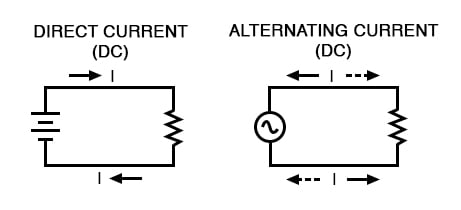
When designing an electrical circuit, selecting the right components is crucial for both safety and performance. One of the most fundamental choices is the type of switch to use. While they may look similar, AC (alternating current) and DC (direct current) switches are designed for very different applications. Using the wrong one can lead to equipment failure, safety hazards, and even fires.
Understanding the distinction between an AC and a DC switch is essential for anyone working with electrical systems, from DIY electronics enthusiasts to professional engineers. This guide will explain the key differences between these two types of switches, explore their specific applications, and help you determine which one is appropriate for your project. By the end, you’ll have the knowledge to make an informed and safe choice every time.
What’s the Difference Between an AC and a DC Switch?
The primary difference between an AC switch and a DC switch lies in how they handle the electrical arc that forms when a circuit is opened or closed.
Alternating Current (AC) naturally reverses its direction and passes through zero voltage multiple times per second (60 times in the U.S., 50 in many other parts of the world). This “zero-crossing” characteristic is a huge advantage for switches. When the switch is opened, the arc that forms between the contacts is naturally extinguished as the voltage drops to zero. This makes it easier to break the circuit and reduces wear and tear on the switch’s internal components. As a result, AC switches can be simpler in design and more compact.
Direct Current (DC), on the other hand, flows in a single, constant direction. Because the voltage never drops to zero on its own, the electrical arc that forms when a DC switch is opened is much more difficult to extinguish. It is a sustained, high-energy arc that can cause significant damage to the switch contacts through pitting and melting. To handle this, DC switches require more robust arc suppression mechanisms, such as larger contact gaps, arc chutes, and blow-out magnets, which actively force the arc away from the contacts. This makes DC switches larger, more complex, and generally more expensive than their AC counterparts.
Understanding the AC Switch
An AC switch is specifically engineered to interrupt an alternating current. Its design leverages the natural zero-crossing of the AC waveform to its advantage. When the switch’s contacts separate, the arc that is created is quickly quenched as the current cycle passes through zero. This self-extinguishing property allows for a simpler and more compact design, making AC switches ideal for residential and commercial applications where AC power is standard.
Features of an AC Switch
- Smaller Contact Gap: Since the AC arc is easier to manage, the distance the contacts need to separate is smaller.
- Simpler Arc Suppression: They often rely on the natural zero-crossing of the current, requiring less complex internal mechanisms.
- Higher AC Voltage/Current Ratings: They are rated for specific AC voltage and amperage levels.
- Cost-Effective: Their simpler construction generally makes them less expensive to manufacture.
Common Applications for AC Switches
You’ll find AC switches everywhere in daily life. They are the standard for:
- Home and office lighting: The light switches on your walls are AC switches.
- Household appliances: Devices like refrigerators, washing machines, and microwaves use AC switches.
- Power tools: Drills, saws, and sanders that plug into a wall outlet are operated with AC switches.
- Industrial machinery: Larger equipment in manufacturing plants that run on AC power utilize heavy-duty AC switches and contactors.
Understanding the DC Switch
A DC switch is built to handle the unique challenges of interrupting a direct current. Because DC provides a constant voltage, the arc created upon opening the switch is persistent and powerful. A DC switch must be able to safely manage and extinguish this arc to prevent contact damage and ensure the circuit is properly broken.
Features of a DC Switch
- Larger Contact Gap: A wider gap is needed to help stretch and cool the electrical arc until it breaks.
- Advanced Arc Suppression: Many DC switches include blow-out magnets that use a magnetic field to push the arc away from the contacts or arc chutes that divide and cool the arc.
- Polarity Markings: Since DC flows in one direction, many DC switches have positive (+) and negative (-) terminals. Connecting them incorrectly can impair the arc suppression mechanism.
- Lower Voltage/Current Ratings for DC: A switch rated for a high AC voltage will have a much lower DC voltage rating because of the difficulty in breaking the DC arc.
Common Applications for DC Switches
DC power is prevalent in many modern technologies. DC switches are essential for:
- Automotive systems: Cars, trucks, and boats use DC power from batteries to run everything from the ignition to the headlights.
- Solar power installations: DC switches are used to disconnect solar panels from inverters and batteries for maintenance or safety.
- Battery-powered devices: Any electronic device that runs on batteries, from flashlights to laptops, uses DC switches.
- Telecommunication systems: Data centers and telecommunications equipment often run on DC power for reliability.
AC vs. DC Switch: A Quick Comparison
To make the differences clear, here is a side-by-side comparison:
Feature | AC Switch | DC Switch |
|---|---|---|
Current Type | Alternating Current (AC) | Direct Current (DC) |
Arc Extinguishing | Easier; relies on natural zero-crossing of the current. | More difficult; requires active arc suppression mechanisms. |
Construction | Simpler, more compact, and less expensive. | More complex, larger, and generally more expensive. |
Contact Gap | Smaller. | Larger. |
Polarity | Not polarity sensitive. | Often polarity sensitive with marked terminals. |
Common Uses | Home lighting, appliances, industrial AC motors. | Solar power systems, automotive, battery-powered electronics. |
Can You Use an AC Switch for a DC Circuit?
This is a common question with a critical answer: it’s strongly discouraged and often dangerous.
While an AC switch might seem to “work” in a low-power DC circuit, it is not designed to handle the sustained arc of a DC current. Here’s what can happen:
- Inability to Break the Circuit: The switch may fail to extinguish the arc, meaning the circuit remains live even when the switch is in the “off” position.
- Switch Failure: The intense heat from the DC arc can melt the switch’s internal contacts, welding them together and permanently closing the circuit.
- Fire Hazard: The extreme heat can melt the switch’s plastic housing and ignite nearby materials, creating a serious fire risk.
Always check the switch’s specifications. A switch rated for 250V AC will have a much lower DC voltage rating, typically around 30V DC or less. Never assume an AC switch is safe for your DC application without verifying its DC rating from the manufacturer.
How to Choose the Right Switch
Selecting the correct switch is straightforward if you follow a few simple steps:
- Identify the Current Type: Is your application powered by AC (from a wall outlet) or DC (from a battery, solar panel, or power adapter)? This is the most important factor.
- Check Voltage and Current Ratings: Ensure the switch is rated for the voltage and amperage of your circuit. For safety, it’s best to choose a switch with ratings slightly higher than your circuit’s maximum operating levels.
- Verify the DC Rating: If you need a switch for a DC circuit, confirm its DC voltage and current ratings specifically. Do not rely on the AC ratings.
- Consider the Application: Think about the environment and physical requirements. Do you need a waterproof switch, an illuminated one, or a specific type like a toggle, rocker, or push-button?
Your Next Steps
Choosing between an AC and DC switch isn’t just a matter of technical detail—it’s a critical safety decision. The fundamental differences in how they manage electrical arcs mean they are not interchangeable. An AC switch relies on the current’s natural cycle to extinguish an arc, while a DC switch requires more robust mechanisms to handle a constant current. Using the wrong switch can lead to system failure and significant safety hazards.
Always prioritize safety by carefully matching the switch to your circuit’s specific requirements. By understanding the principles outlined in this guide, you can confidently select the right component for your project, ensuring both reliability and protection.
Frequently Asked Questions
What happens if I use a DC switch in an AC circuit?
Using a DC switch in an AC circuit is generally safe, provided the switch’s voltage and current ratings meet or exceed the AC circuit’s requirements. Since DC switches are built to handle more difficult arc suppression, they can easily manage an AC arc. However, DC switches are often more expensive and bulkier, so it’s more practical to use an AC switch for an AC application.
How can I tell if a switch is for AC or DC?
The switch’s datasheet or markings on its body will provide the answer. Look for voltage and current ratings. A switch might be rated “250V AC / 30V DC,” which clearly indicates its capabilities for both types of current. If only an AC rating is listed, you should assume it is not safe for DC applications unless the manufacturer specifies otherwise. DC switches also sometimes have polarity markings (+ and -).
Why do DC switches have polarity?
Many DC switches use a blow-out magnet for arc suppression. The magnet’s effectiveness depends on the direction of the current flow. Connecting the switch with the correct polarity ensures the magnetic field properly pushes the arc away from the contacts. Reversing the polarity could cause the magnet to pull the arc inward, worsening the damage.
Are circuit breakers also AC or DC specific?
Yes, just like switches, circuit breakers are designed for either AC or DC circuits. A DC circuit breaker must be able to handle the sustained DC arc and is built differently than an AC breaker that benefits from the current’s zero-crossing. Using an AC breaker in a DC system is dangerous and may not provide adequate protection.