


May 08 2026
/
What is APC Optimal Networking?
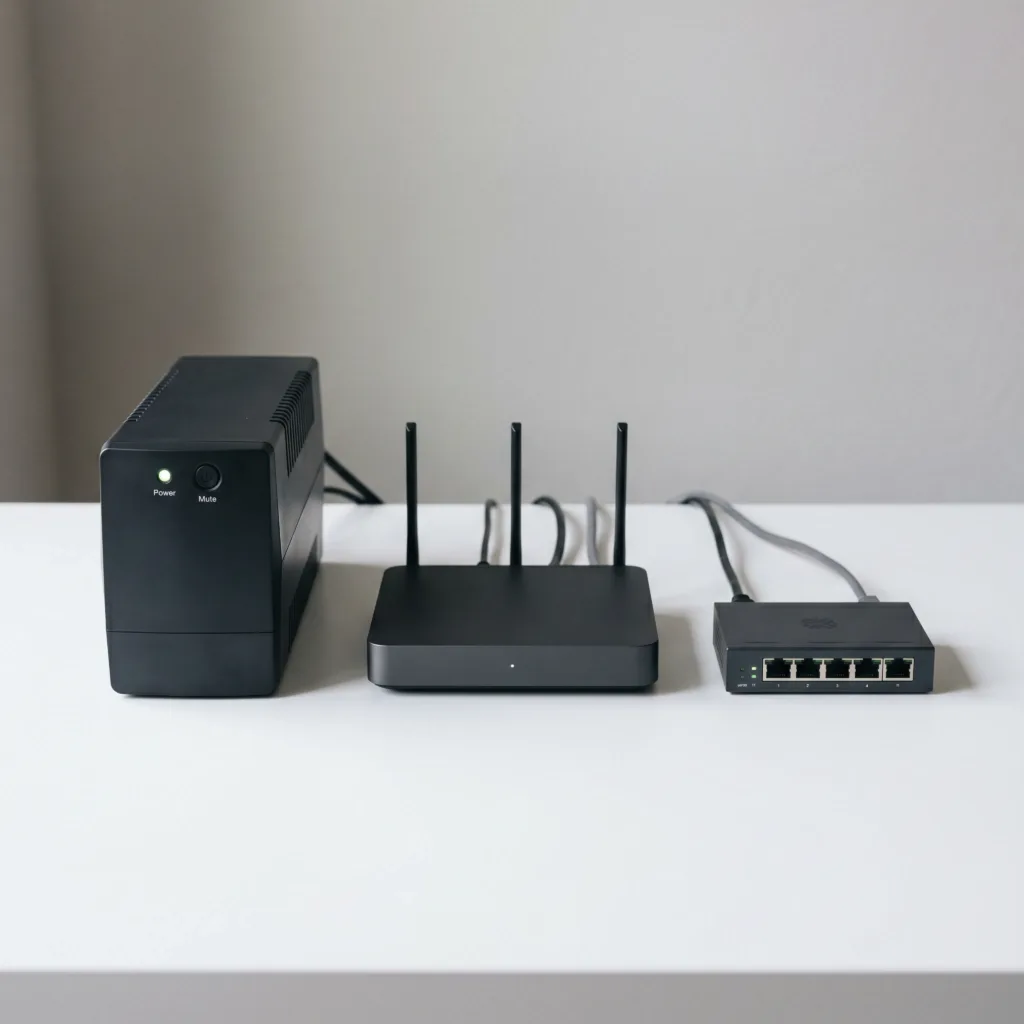
Automatic Power Control (APC) optimal networking is a sophisticated management technique designed to dynamically adjust the transmission power of interconnected devices. By continuously regulating energy output based on real-time environmental conditions and network traffic, APC minimizes wireless interference, enhances signal integrity, and significantly reduces operational power consumption across complex enterprise IT infrastructures.
Key Highlights
- Dynamic Power Adjustment: Networks automatically calibrate transmission levels to match exact coverage requirements, preventing signal overlap and wasted energy.
- Interference Mitigation: By keeping signal strength at optimal thresholds, APC limits co-channel interference and improves overall data throughput.
- Hardware Longevity: Operating devices at lower, optimized power settings reduces thermal stress on internal components, ultimately extending the lifecycle of your networking infrastructure.
Overview of APC in Networking
Automatic Power Control represents a fundamental shift in how organizations manage their wireless and optical networks. Historically, network access points and transmission nodes operated at maximum static power levels. This legacy approach guaranteed coverage but inadvertently created massive signal overlap. The resulting interference severely degraded performance, especially in dense corporate environments requiring high-capacity data transmission.
Modern networking demands a more intelligent approach. APC optimal networking introduces a responsive, software-driven framework that continuously monitors the physical environment. Access points communicate with centralized controllers to report on signal quality, client proximity, and adjacent channel interference. Using this telemetry data, the system automatically dials down the transmission power of nodes that are causing interference and boosts power to nodes experiencing weak client connections.
For businesses managing expansive technological environments, implementing APC is a strategic necessity. It guarantees that the network operates efficiently, securely, and reliably. Maintaining an optimized network topology ensures that critical enterprise applications function without interruption. This level of precise environmental control empowers system integrators and IT administrators to build resilient architectures that scale effortlessly alongside organizational growth.
Types of Automatic Power Control
Centralized APC
In a centralized model, a master network controller gathers telemetry data from all connected access points. The controller utilizes advanced algorithms to calculate the optimal power settings for the entire environment and pushes these configurations to individual devices simultaneously. This ensures a holistic approach to interference management across large enterprise campuses.
Distributed APC
Distributed power control shifts the decision-making process directly to the edge devices. Each access point or transmission node evaluates its immediate surroundings and negotiates power levels with neighboring nodes. This decentralized approach allows for rapid, localized adjustments without relying on a central management server, making it highly resilient against single points of failure.
Hybrid APC
Hybrid systems combine the comprehensive oversight of centralized controllers with the rapid response times of distributed nodes. The central server establishes baseline power parameters and overarching network policies. Individual devices then make micro-adjustments within these approved boundaries to handle transient interference spikes or sudden changes in client density.
Comparison of Power Control Protocols
Feature | Centralized APC | Distributed APC | Hybrid APC |
|---|---|---|---|
Decision Point | Primary Network Controller | Local Edge Devices | Controller and Edge Devices |
Response Time | Moderate (Requires polling) | Fast (Immediate local action) | Very Fast (Optimized balance) |
Deployment Scale | Large Enterprise Campuses | Small to Medium Offices | Complex, Multi-site Operations |
How APC Works
Step 1: Continuous Environmental Scanning
The process begins with network devices actively scanning their radio frequency or optical environment. Access points measure received signal strength indicators (RSSI) from neighboring devices, calculate background noise floors, and track the physical proximity of connected user devices. This data collection happens in the background without disrupting active data payloads.
Step 2: Algorithmic Evaluation
Once the telemetry data is gathered, the system evaluates the current network topology against established performance baselines. The algorithms look for areas of signal overlap, instances of co-channel interference, and zones lacking sufficient coverage. The control system calculates precise adjustments needed to resolve these identified inefficiencies.
Step 3: Dynamic Power Adjustment
The final phase involves executing the calculated adjustments. Devices that are overpowering their coverage cells dial back their transmission strength. Conversely, devices near coverage gaps incrementally increase their output. This adjustment process is continuous, allowing the network to “breathe” and adapt to physical changes, such as moving equipment or varying user populations throughout the business day.
Use Cases for APC Optimal Networking
- High-Density Corporate Offices: In multi-floor office buildings, dozens of access points often compete for the same airspace. APC allows these networks to function harmoniously by shrinking the coverage cells of individual access points. This prevents signals from bleeding through floors and ceilings, ensuring employees experience fast, reliable connectivity regardless of their physical location in the building.
- Industrial Logistics Hubs: Warehouses and manufacturing centers present unique networking challenges due to highly reflective metal surfaces and constantly shifting inventory. APC systems instantly adapt to these physical changes. If a massive metal container is moved and suddenly blocks a signal, the network can automatically boost power to adjacent access points to heal the coverage gap.
Benefits of Implementing APC
- Maximized Network Efficiency: By eliminating radio frequency collisions and reducing re-transmissions, APC clears the airspace for pure data transfer. This results in significantly higher throughput and drastically reduced latency for critical business applications.
- Reduced Energy Consumption: Operating at optimal, rather than maximum, power levels translates directly to lower electricity consumption. For massive enterprise deployments, this represents a substantial reduction in utility costs and aligns with modern corporate sustainability initiatives.
- Automated Network Maintenance: IT departments are relieved of the burden of manually tuning network hardware. The automated nature of APC ensures the network remains optimized 24/7, freeing valuable engineering resources to focus on strategic technology deployments rather than routine troubleshooting.
Challenges and Limitations
- Initial Configuration Complexity: Establishing the correct baselines and policies for an APC system requires careful planning and a deep understanding of the physical environment. Misconfigured algorithms can lead to aggressive power fluctuations, causing connection instability for client devices.
- Hardware Compatibility: Achieving true optimal networking often requires a homogenous hardware environment. Legacy devices or mixed-vendor environments may not support advanced power control protocols, limiting the overall effectiveness of the deployment and requiring substantial capital investment to standardize the infrastructure.
Future Trends in Network Power Control
- Artificial Intelligence Integration: The next evolution of APC involves integrating predictive machine learning models. Instead of reacting to current interference, AI-driven systems will predict peak usage times and physical client movements based on historical data, adjusting power levels before congestion actually occurs.
- Convergence with IoT Management: As the Internet of Things expands, APC protocols are adapting to manage low-power, narrow-band devices. Future systems will simultaneously balance high-capacity data networks alongside thousands of low-energy IoT sensors, ensuring optimal battery life and connectivity across entirely different hardware ecosystems.
Visualizing the APC Network Architecture
[Diagram representation: A flowchart demonstrating the feedback loop of APC optimal networking. At the top, a “Centralized Controller” box points down to multiple “Network Access Points”. Each access point features a two-way arrow connecting to “Environmental Sensors and Client Devices”. A curved arrow loops from the bottom back to the top controller, labeled “Continuous Telemetry and RSSI Feedback”, illustrating the perpetual optimization cycle.]
Why Choose Magnus Infotech for Your IT Solutions
Finding a reliable partner to navigate complex network optimizations is crucial for regional success. Magnus Infotech stands as your trusted IT distribution partner, dedicated to delivering seamless technology solutions tailored to your unique enterprise requirements.
- Strategic Regional Presence: Headquartered in the Al Tawhidi Building on Al Mankhool Street in Dubai, UAE, Magnus Gulf operates at the epicenter of Middle Eastern technological innovation. We serve as the vital bridge between global technology vendors and regional system integrators.
- Unwavering Commitment to Quality: Our deeply ingrained policy is to provide you with an exceptional experience. We deliver unparalleled networking, security, and storage solutions marked by a seamless blend of quality and value.
- Collaborative Partnership Approach: The extensive network of our channel partners is a testament to our dedication to fostering mutually beneficial relationships. We ensure that your business receives the cutting-edge technology solutions it deserves through transparent, reliable collaboration.
Transform your IT infrastructure with confidence. Partner with Magnus Infotech today to deploy robust, future-ready networking architectures that drive your business forward.
Frequently Asked Questions
What happens if an access point fails in an APC network?
In a properly configured hybrid or distributed APC environment, neighboring access points will detect the absence of the failed device. They will automatically increase their transmission power to fill the resulting coverage gap until the hardware is repaired or replaced.
Does APC work with older Wi-Fi standards?
While basic power management exists in older standards, true APC optimal networking requires modern hardware (such as Wi-Fi 6 or Wi-Fi 7 access points) capable of executing rapid, granular power adjustments based on complex environmental telemetry.
Will APC disconnect active users when it reduces power?
A properly calibrated system ensures that power is only reduced when the client devices have a strong enough connection to sustain the drop, or when they can be seamlessly handed off to a stronger adjacent access point without dropping active sessions.
How does APC impact mobile device battery life?
By optimizing the signal environment and reducing the need for client devices to constantly re-transmit dropped packets due to interference, APC significantly improves the battery life of smartphones, tablets, and mobile scanners connected to the network.
Can Magnus Infotech assist with designing an APC network?
Yes. As a premier B2B IT distribution company in Dubai, Magnus Infotech connects regional resellers and system integrators with the world’s leading networking vendors. We provide the expertise and hardware necessary to design and implement highly optimized network architectures.