


Partner Resources · Channel & Procurement
How to Choose an IT Distributor in UAE: 7 Essential Tests
Knowing how to choose an IT distributor matters more than price. Any distributor can quote a part number. What separates them is whether stock is actually on the shelf, whether anyone can help you design the solution, who handles a failure eighteen months in, and whether they compete with you for your own customers. These seven tests surface the difference before you commit.

Key takeaways
- Price is the easiest thing to compare and the least useful. Every distributor can discount a line item; few can hold stock, design a solution and handle a warranty claim three years later.
- Ask where the stock physically is. “Available” can mean on a shelf in Dubai or on a purchase order with the vendor.
- Pre-sales capability is the clearest divide between a broadline reseller and a genuine value-added distributor.
- Warranty is where the relationship is tested. Establish who handles an RMA, and how long a replacement takes, before you need to know.
- Ask directly whether they sell to end users. A distributor competing with its own channel is the single biggest structural risk to a reseller.
What a distributor actually does for you
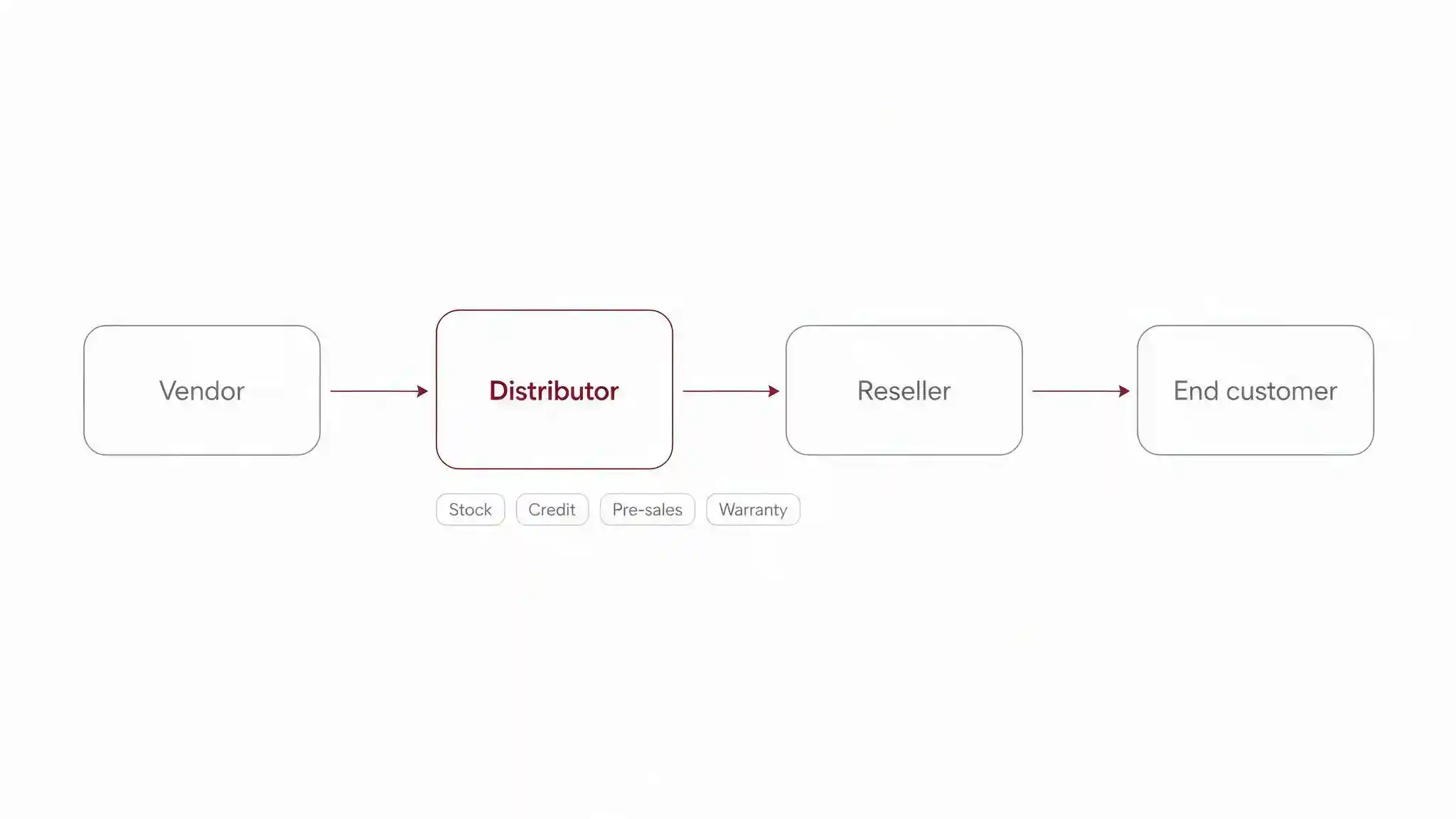
A distributor sits between the vendors who manufacture equipment and the resellers, integrators and IT providers who deploy it. The vendor gets regional reach without maintaining local operations; the reseller gets local stock, credit, technical support and a single relationship covering many brands.
That middle position is only worth something if the distributor genuinely absorbs work you would otherwise carry. If all they do is forward your order to the vendor and add a margin, you are paying for a delay.
The useful question is therefore not “who is cheapest” but “what does this distributor actually take off my plate” — and the seven tests below are designed to answer exactly that.
Broadline versus value-added
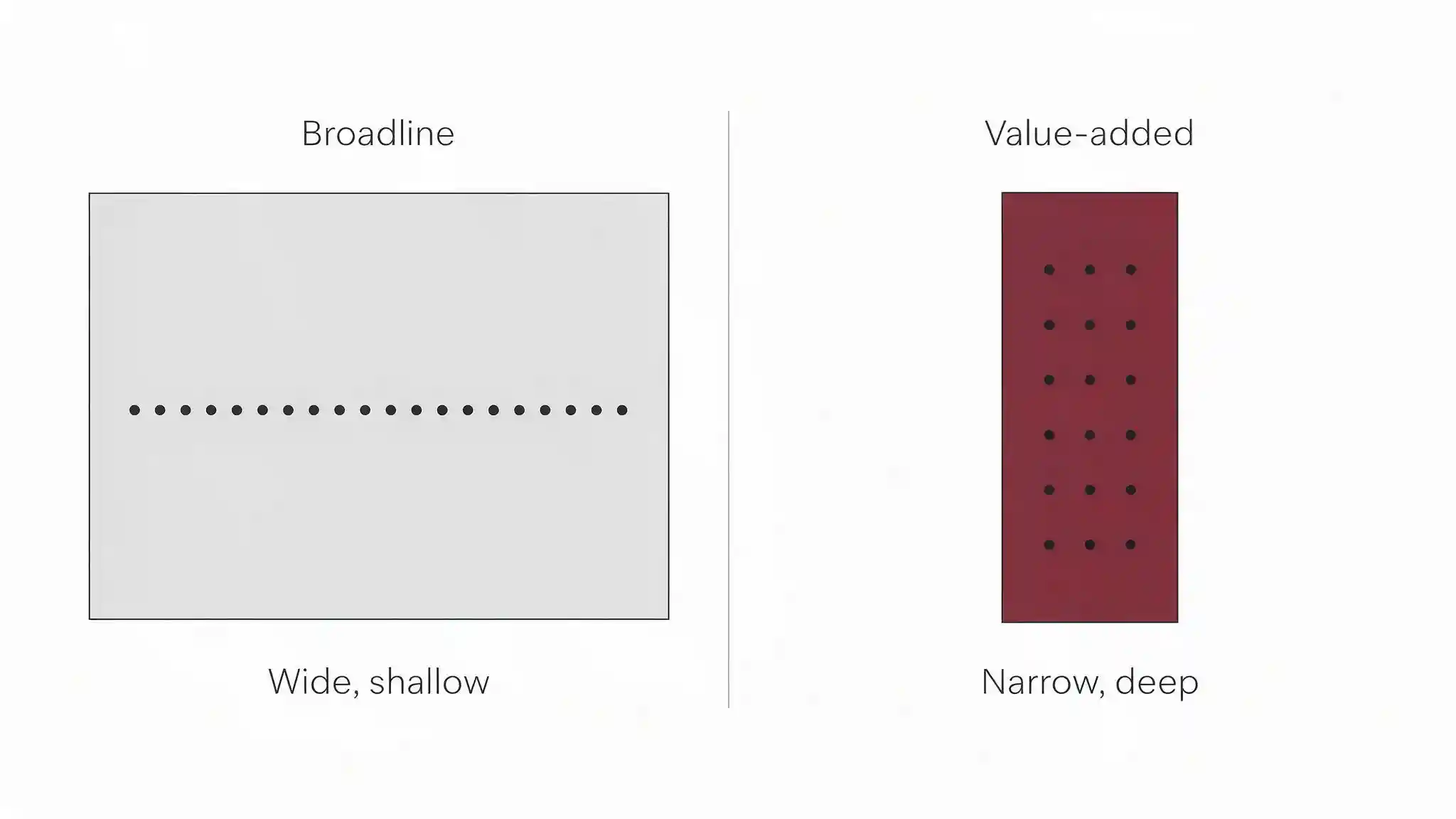
Two distinct business models trade under the same word, and they suit different projects.
| Broadline distributor | Value-added distributor | |
|---|---|---|
| Brand range | Very wide, shallow | Narrower, deeper |
| Technical support | Limited or none | Pre-sales design and specification |
| Product knowledge | Catalogue-level | Configuration and interoperability |
| Typical strength | Price on volume commodity lines | Complex or multi-brand projects |
| Best suited to | Known part numbers, repeat orders | Projects needing design input |
Neither is better in the abstract. If you know exactly what you need and it is a commodity line, a broadline distributor on price is a rational choice. If you are specifying a system where the components have to work together and compliance matters, the technical support is the product.
Most resellers end up using both, for different work.
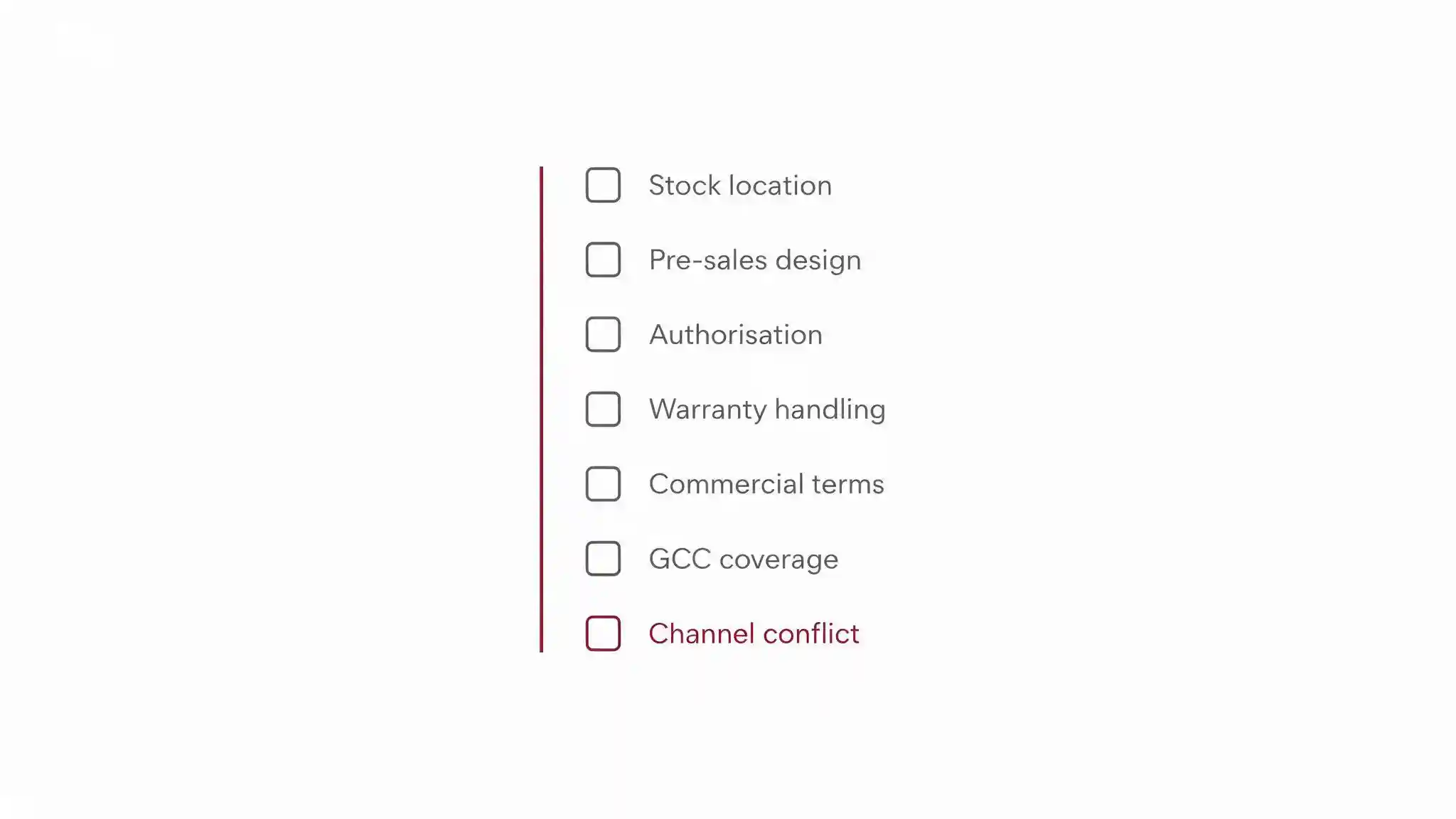
How to choose an IT distributor: the seven tests
Each of these is a specific question with a specific answer. Vague answers are themselves informative.
Where is the stock, physically?
Ask whether an item is in a local warehouse or on order from the vendor. “Available” covers both. The follow-up question is what happens when a project needs forty units and they hold twelve — and how quickly the balance actually arrives.
Can they help you design it, or only quote it?
Send a real requirement rather than a part number. Ask for a bill of materials. A value-added distributor will come back with questions about the site, distances and load. A box-shifter will come back with a price.
What is their actual authorisation status?
Ask which vendors they are authorised by and at what level. Authorised distribution affects warranty validity, firmware access and vendor support escalation. It is a documented status, so it can be verified — ask, and check with the vendor if a project is large.
Who handles a warranty claim, and how long does it take?
This is where distributors differ most and get asked least. Establish who you contact, whether they handle the vendor relationship or hand you back to the manufacturer, whether advance replacement is available, and the realistic turnaround. Ask before you need it.
What are the commercial terms?
Credit terms, minimum order values, project pricing and whether they will register a deal to protect your pricing on a specific opportunity. Deal registration in particular tells you how seriously they take channel relationships.
What geography do they actually cover?
A UAE address does not automatically mean support across the GCC. If your work extends into Saudi Arabia, Oman or Qatar, ask specifically about stock, delivery and warranty handling in those markets rather than assuming.
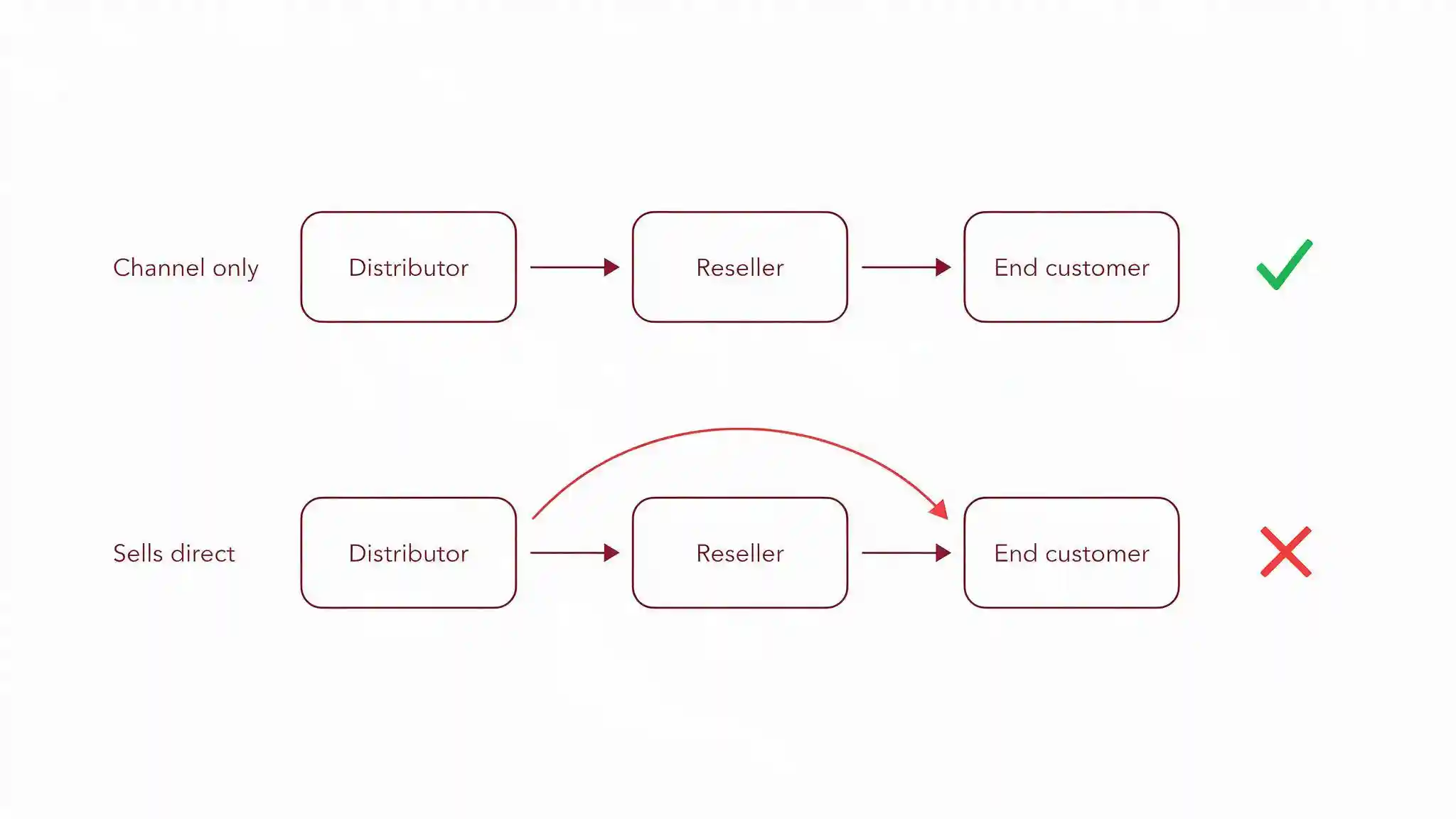
Do they sell direct to end users?
The one that matters most and gets asked least. A distributor that also sells directly to end customers is a competitor wearing a supplier's badge — and they see your pipeline. Ask it plainly, and ask how they handle a situation where an end user approaches them directly.
Red flags worth walking away from
Vague stock answers
If nobody will tell you what is physically in the warehouse today, assume it is not there. Lead times discovered after a purchase order are a project problem, not a supplier problem.
No technical contact
If every question routes through a salesperson who forwards it to the vendor, you are paying a margin for an email relay.
Warranty deflection
“Contact the manufacturer” as the standing answer to a failure means the distributor adds nothing after the invoice clears.
Unverifiable claims
Authorisation and partner status are documented facts. A distributor unwilling to say which vendors authorise them, and at what level, is telling you something.
Direct sales, unacknowledged
A distributor that will not answer the channel conflict question directly has usually answered it.
Price far below everyone
Worth understanding rather than celebrating. Parallel imports and grey stock are cheaper for a reason, and the reason is usually warranty.
What matters specifically in the UAE
A few considerations carry more weight in this market than they might elsewhere.
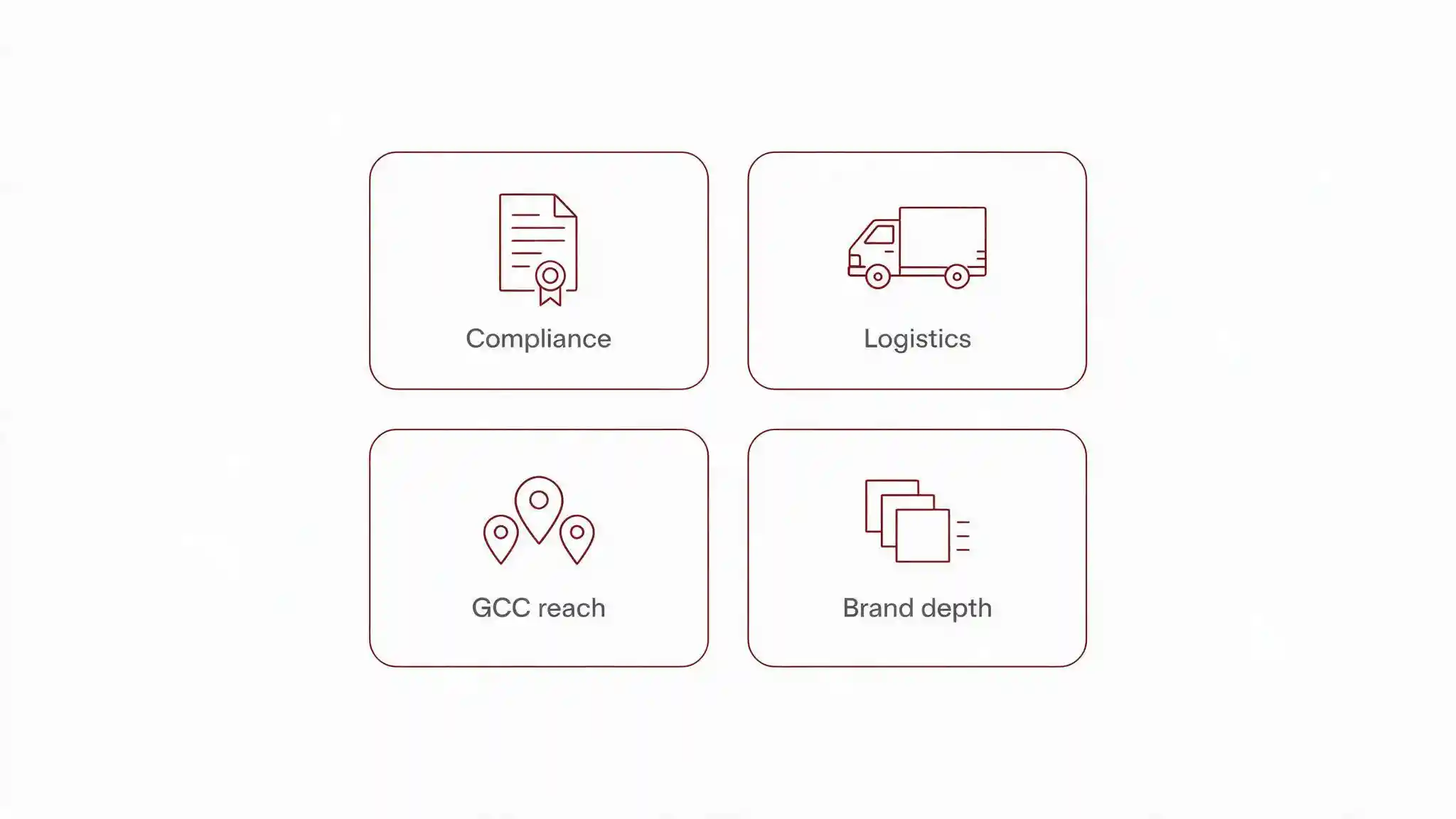
Compliance-driven specification. Surveillance, telecoms and life-safety products face regulatory requirements here that shape what can actually be installed. A distributor whose pre-sales team understands those constraints saves a project from specifying something that fails approval — our guides to SIRA CCTV requirements and cable fire ratings cover two common examples.
Free zone and mainland logistics. Delivery timelines vary depending on where stock sits and where it is going. Worth asking about explicitly if you work across both.
Genuine GCC reach. Plenty of distributors describe themselves as regional. Fewer hold stock or handle warranty outside the UAE. If your projects cross borders, test the claim.
Brand depth over brand count. A long vendor list looks reassuring but says nothing about whether they stock the specific models you need or understand how they interoperate.
Frequently asked questions
What is the difference between a distributor and a reseller?
A distributor buys from vendors and sells to resellers, integrators and IT providers — not usually to end customers. A reseller sells to the end customer and handles the project. The distributor supplies stock, credit, technical support and warranty handling so the reseller does not need a direct relationship with every vendor.
What does value-added distributor mean?
A value-added distributor supplies technical services alongside products — pre-sales design, specification support, configuration guidance, training and warranty handling. The distinction from a broadline distributor is depth: fewer brands, but genuine capability to help specify and support what they carry.
Why does authorised distribution status matter?
It affects warranty validity, access to firmware and vendor support escalation. Product bought outside authorised channels may carry no valid regional warranty even when genuine. Authorisation is a documented status, so ask which vendors and at what level, and verify with the vendor directly on larger projects.
How do I check if a distributor really holds stock?
Ask specifically whether an item is in a local warehouse or on order, and how many units. Then ask what happens if you need more than they hold and how long the balance takes. A distributor with real stock answers precisely; one without gives you a lead time framed as availability.
What is channel conflict?
It is when a distributor sells directly to end customers, competing with the resellers it also supplies. It matters because the distributor sees your pipeline and can approach the same customer. Ask any prospective distributor plainly whether they sell direct, and how they handle an end user who approaches them.
Should I use more than one distributor?
Most established resellers do. A value-added distributor for projects needing design input and compliance knowledge, and a broadline distributor for commodity lines where price is the deciding factor. Concentrating everything with one supplier removes leverage and creates a single point of failure on stock.
What is deal registration?
A process where a reseller registers a specific opportunity with the distributor or vendor, protecting their pricing on it so competitors cannot undercut them on the same deal. Whether a distributor offers it, and how rigorously they honour it, indicates how seriously they treat channel relationships.
Ask us the same seven questions
If this framework is useful, the fairest thing we can do is invite you to apply it here. Ask us where the stock sits, what our pre-sales team will actually do on your project, how we handle an RMA, and whether we sell direct.
Magnus is a value-added distributor based in Dubai, supplying networking, surveillance, unified communications and server and storage products to resellers and integrators across the UAE and GCC. You can see the brands we carry, read more about us, or send a live requirement and see what comes back.
Get a quoteAbout this guide
This article describes evaluation criteria drawn from standard IT channel distribution practice. It is written by a value-added distributor and that interest is disclosed at the top of the page. Commercial terms, authorisation levels, stock policies and warranty handling vary between distributors and between vendor agreements — the questions here are intended to surface those differences rather than to describe any particular arrangement. Verify authorisation claims with the vendor directly on significant projects.